For many businesses, the first quarter of the year sets the tone for everything that follows. Trade shows, exhibitions, conferences, and industry events often return in force, creating a valuable opportunity for brands to generate leads, launch products, and strengthen relationships with customers and partners.
However, successful exhibition campaigns rarely begin in Q1. The brands that make the greatest impact are often those that started planning months earlier.
Why Q1 Matters
The beginning of the year is traditionally a busy period for many industries. Buyers return from the holiday season with fresh budgets, new priorities, and renewed motivation to explore solutions that will help them achieve their goals.
For exhibitors, this creates an ideal environment to:
- Launch new products and services
- Build a strong pipeline of leads early in the year
- Reconnect with existing customers
- Increase brand visibility within their industry
- Gain valuable market insights from competitors and attendees
A strong Q1 exhibition strategy can provide momentum that continues throughout the rest of the year.
The Importance of Early Planning
One of the biggest mistakes businesses make is underestimating the amount of preparation required for a successful exhibition.
Planning an event presence involves much more than booking floor space. Exhibition objectives, stand design, logistics, staffing, marketing campaigns, and lead capture processes all need careful consideration. Working with an experienced exhibition stand builder early in the process can help brands avoid costly delays and ensure their exhibition presence aligns with wider business objectives.
Starting early allows businesses to:
- Secure preferred exhibition locations
- Allocate budgets effectively
- Design and approve exhibition stands without rushing
- Coordinate marketing activities around the event
- Arrange travel and accommodation more efficiently
- Avoid costly last-minute changes
The earlier planning begins, the more opportunities there are to create a cohesive and impactful event presence.
Aligning Exhibition Goals with Business Objectives
Before committing to any event, brands should establish clear objectives.
Are you aiming to generate qualified leads? Launch a new product? Increase brand awareness? Strengthen relationships with existing clients?
Defining success from the outset helps guide decisions around stand design, staffing levels, marketing materials, and post-event follow-up strategies.
The most successful exhibitors view exhibitions as part of a wider sales and marketing strategy rather than isolated events.
Maximising Lead Generation Opportunities
Exhibitions remain one of the few marketing channels where businesses can engage directly with large numbers of potential customers in a short period of time.
To maximise results, exhibitors should focus on attracting the right audience rather than simply generating footfall.
Effective lead generation strategies include:
- Scheduling meetings before the event
- Promoting attendance through email and social media
- Creating engaging stand experiences
- Training staff to qualify prospects effectively
- Using digital lead capture tools
- Implementing structured follow-up plans
The real value of an exhibition is often realised after the event has ended, making lead management just as important as the event itself.
The Role of Sustainable Exhibition Solutions
As sustainability continues to influence purchasing decisions and corporate strategies, many brands are looking for ways to reduce the environmental impact of their event activity.
Modular exhibition systems, sustainable stand components, and efficient logistics planning can help organisations achieve both sustainability and cost-efficiency goals.
By incorporating sustainable exhibition practices into Q1 planning, businesses can create a stronger brand image while supporting broader environmental objectives.
Preparing for Long-Term Success
While Q1 events often attract significant attention, they should also be viewed as part of a wider annual exhibition programme.
Insights gathered from early-year events can help shape future campaigns, improve stand performance, and refine marketing strategies throughout the year.
Businesses that approach exhibitions strategically tend to see stronger returns, greater consistency, and more meaningful connections with their target audiences.
Final Thoughts
A successful start to the exhibition calendar doesn’t happen by chance. It requires clear objectives, careful planning, and a proactive approach long before the event doors open.
Brands that invest time in preparation, align exhibitions with wider business goals, and focus on creating meaningful attendee engagement are best positioned to generate results and build momentum for the months ahead.

At Fret Free Exhibitions, we believe sustainable exhibition design should deliver more than just environmental benefits — it should also create smarter, more flexible and more cost-effective exhibiting solutions for brands attending multiple events throughout the year.
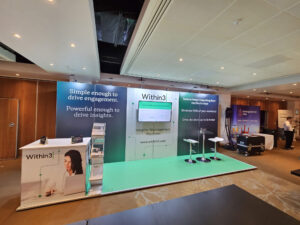
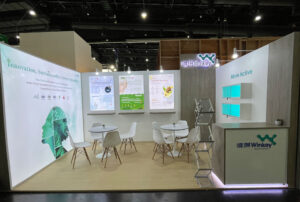
As an experienced exhibition stand builder, we focus on creating reusable modular exhibition stands that combine strong visual impact with practical long-term value. By using adaptable stand systems, reusable structures and sustainable materials, we help exhibitors reduce waste without compromising on creativity or functionality.
Rather than encouraging unnecessary one-off builds, our approach is centred around flexible exhibition solutions that can evolve, scale and be reused across different events and exhibition spaces.
Ready to create a sustainable exhibition stand for your next event? Contact the team at Fret Free Exhibitions today and discover how reusable modular exhibition design can help reduce waste, improve efficiency and maximise your exhibition investment.