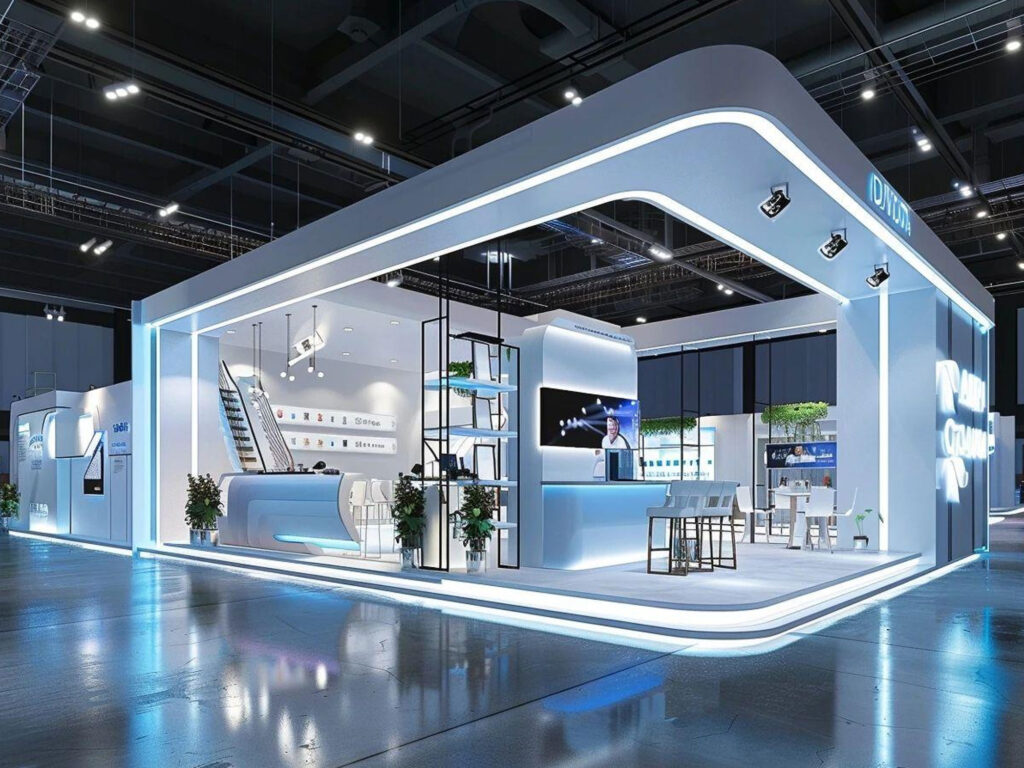
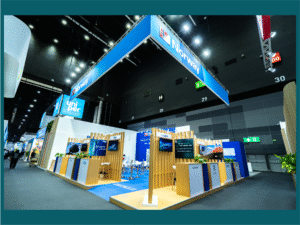
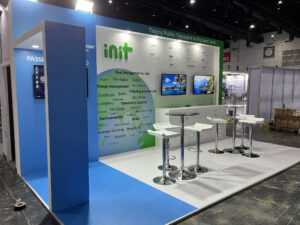
For decades, the exhibition industry has had a dirty secret: the “build and burn” culture. Companies would spend tens of thousands of pounds on magnificent, custom-built timber stands, only for large parts of the structure to be dismantled and discarded after a three-day trade show.
Today, that approach is not just environmentally irresponsible; it is increasingly at odds with the expectations of modern consumers and B2B partners.
At Fret Free Exhibitions, sustainability is an important part of how we approach exhibition design and build. As an experienced exhibition stand builder we help businesses create high-impact spaces while considering how materials can be reused, reconfigured and transported more efficiently.
More importantly, going green doesn’t mean sacrificing the “wow” factor. In fact, adopting more sustainable practices can make your stand more innovative, flexible and cost-effective.
If you’re still developing the look and layout of your stand, our guide to exhibition stand design explains how branding, sightlines, lighting and visitor flow work together to create a memorable experience.
Here is how to design a high-impact exhibition stand that leaves a lasting impression on your audience, not the planet.
1. The Modular Revolution: End the "Build and Burn"
The single biggest step you can take toward sustainable exhibiting is ditching single-use structural materials.
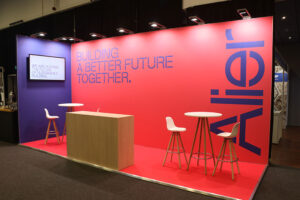
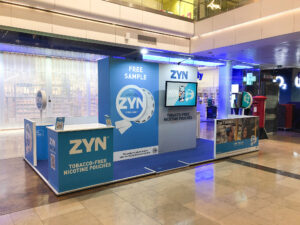
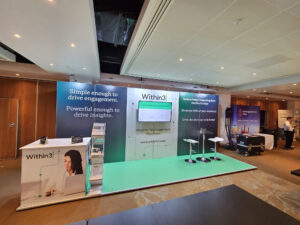
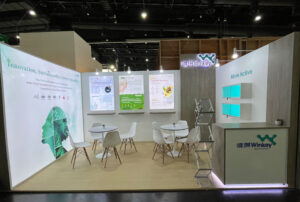
Traditional bespoke stands often rely heavily on MDF (Medium-Density Fibreboard) and timber, which are cut to specific, non-reusable shapes, painted, and then discarded. The alternative is the modular exhibition stand.
• Reusable Frameworks: Modular stands use lightweight, highly durable aluminum frames that click together like industrial Lego. These frames can be used hundreds of times across years of events.
• Fabric Graphics: Instead of printing on heavy, rigid PVC boards that end up in landfills, modern modular stands use tension fabric graphics. These are printed using eco-friendly water-based inks, fold up neatly for low-carbon shipping, and can be recycled when your branding changes.
• Scalability: Because the frames are modular, you don’t need a new stand if your floor space changes next year. You simply reconfigure the existing pieces to fit the new dimensions.
2. Visualize the Impact
What difference could reuse make?Enter your typical exhibition schedule below to see how repeatedly reusing a modular stand structure could reduce the amount of new structural material required compared with rebuilding for every show.
How Much Waste Could a Reusable Exhibition Stand Avoid?
Compare a traditional single-use exhibition stand strategy with a reusable modular system over several years.
3. Eco-Friendly Materials for the "Wow" Factor
Going sustainable doesn’t mean your stand has to look like a cardboard box (unless, of course, that’s the aesthetic you want!). Innovative materials are transforming eco-friendly design:
• Sustainable Flooring: Skip the cheap, single-use carpet that dominates trade show aisles. Opt for reusable interlocking floor tiles, bamboo flooring, or carpets made from 100% recycled marine plastics.
• LED Lighting: Swap out energy-hungry halogen spotlights for low-wattage, high-impact LED lighting. Not only do they draw significantly less power from the venue grid, but they also run cooler, making your stand more comfortable for staff and visitors.
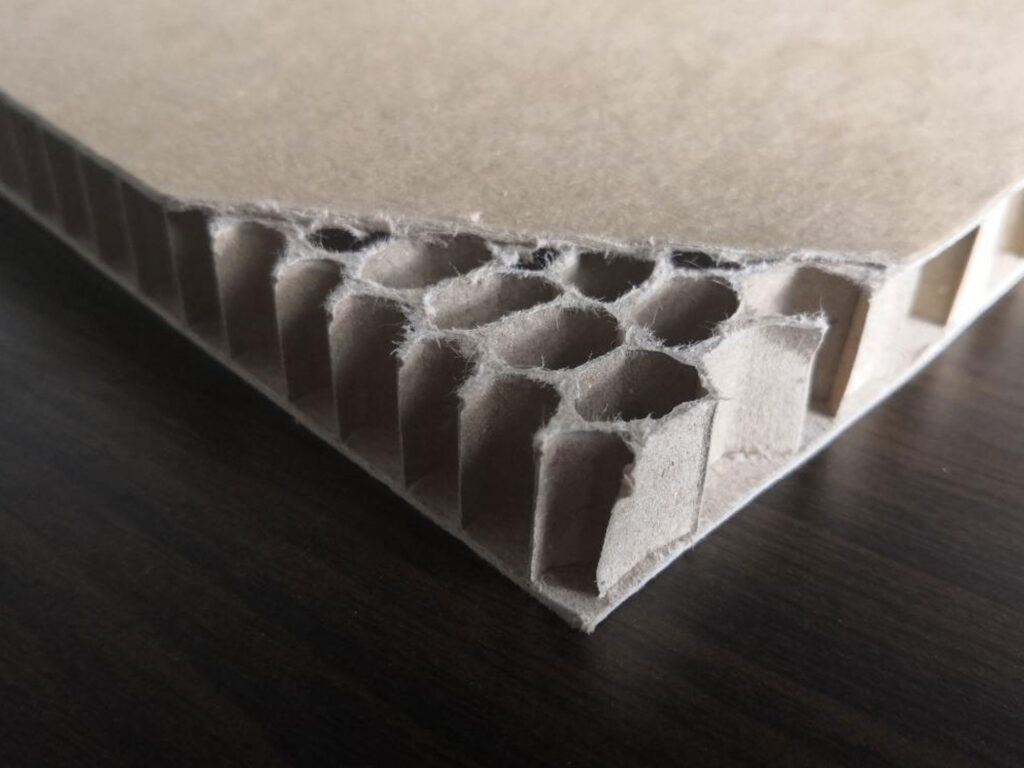
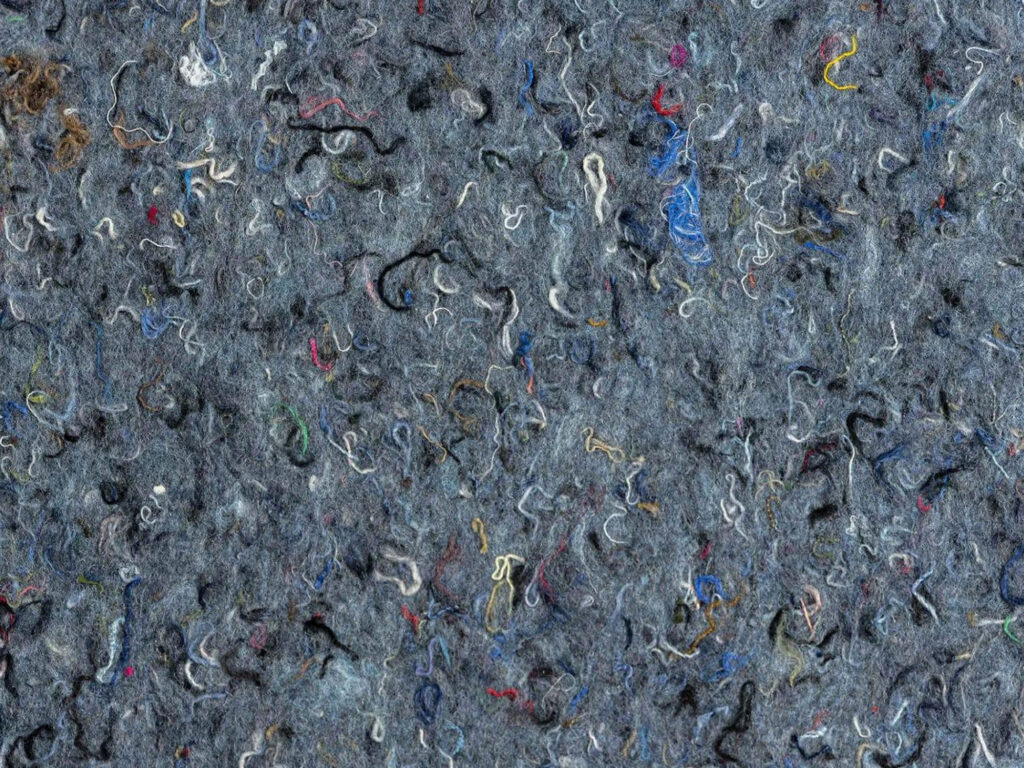
• Recycled Substrates: When rigid boards are absolutely necessary, choose materials like Xanita board (an ultra-lightweight, high-strength engineered cardboard) or fully recyclable PVC-free plastics.
4. Reducing Waste Beyond the Build
A sustainable stand is only half the battle. Your operational footprint matters just as much.
• Ditch the Printed Brochures: The vast majority of printed trade show literature ends up in the nearest hotel bin. Switch to digital brochures triggered by QR codes strategically placed around your stand, or use NFC-enabled smart badges to beam information directly to an attendee’s phone.
• Meaningful Giveaways: If you must offer “swag,” avoid cheap plastic pens or foam stress balls that are destined for the landfill. Opt for consumable gifts (locally sourced coffee beans, branded chocolates) or sustainable items that people will actually use, like high-quality reusable water bottles.
Key Takeaway: Good for the Planet, Great for the Budget
Sustainability and cost-effectiveness don’t have to be competing forces in the exhibition world. By investing in reusable modular architecture and reducing reliance on single-use materials, exhibitors can reduce waste while avoiding the need to start completely from scratch for every event.
With Fret Free Exhibitions, sustainability can be considered from the earliest stages of the design process. We help businesses create striking exhibition spaces that communicate their brand effectively while making smarter choices about materials, reuse and future events.
If you’re planning your wider exhibition strategy, our trade show planning guide covers the process from choosing your event and setting objectives through to stand planning and delivery.
Ready to drive traffic to your sustainable stand?